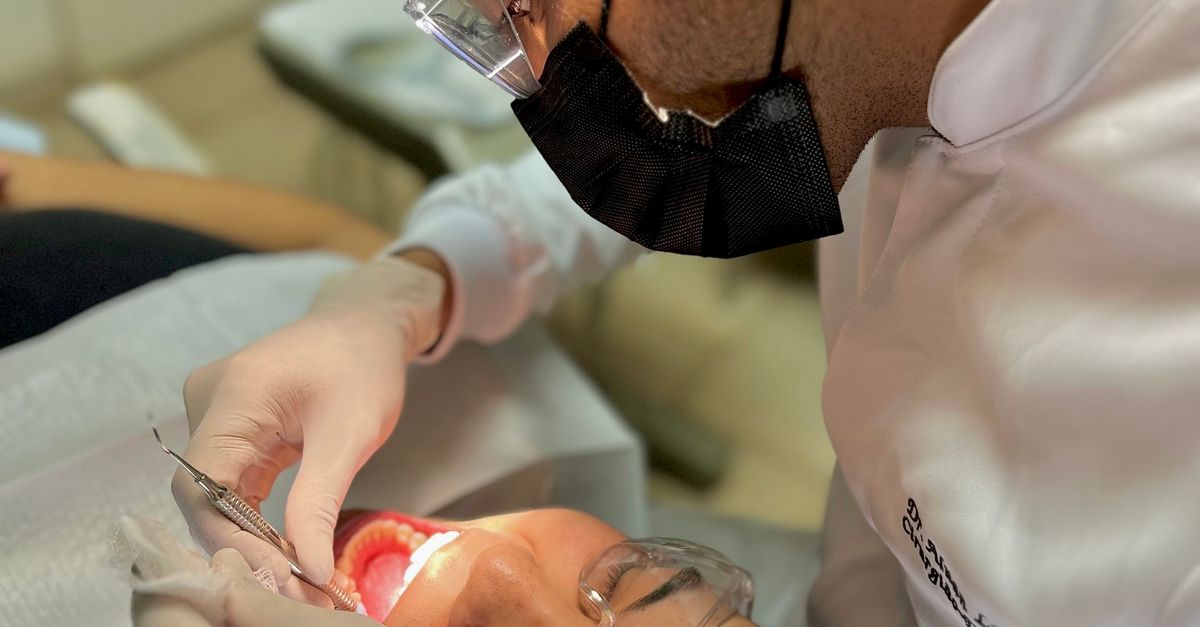
Understanding the Common Causes of Toothaches
Table Of Contents
Sinus Pressure
Inflammation of the sinus cavities often leads to discomfort in various parts of the face, and this includes the upper teeth. When sinuses become congested due to allergies or infections, the pressure can radiate down to the tooth roots, causing sensations that mimic a toothache. Symptoms may be worsened by bending over or sudden movements, as this can increase the pressure in the sinuses, further exacerbating the discomfort felt in the dental region.
This phenomenon can be particularly misleading for those experiencing tooth pain, as the source of the issue is actually the sinuses rather than dental problems. Understanding this connection is crucial for effective self-diagnosis and treatment. Over-the-counter decongestants or saline nasal sprays may relieve sinus pressure and consequently reduce the associated toothache, preventing unnecessary dental interventions. Recognising the signs of sinus-related discomfort can make a significant difference in addressing the root cause and alleviating pain effectively.
The Connection Between Sinuses and Tooth Pain
Sinus issues often manifest as discomfort in the upper jaw and teeth, leading many to mistakenly attribute the pain to dental problems. The maxillary sinuses, located just above the upper molars, can become inflamed due to sinus infections, allergies, or colds. This inflammation may exert pressure on the surrounding nerves, resulting in sensations that mimic toothaches, especially in the rear upper teeth.
When sinus pressure builds, it alters the normal balance of pressure in the mouth, sometimes causing tenderness or sensitivity in the affected teeth. This connection can be particularly misleading, as the pain can feel similar to that of a dental abscess or cavity. Understanding this link is essential to avoid unnecessary dental treatments when the root cause lies within the sinus cavities.
Bruxism
Teeth grinding is a widespread condition that often goes unnoticed. Many individuals may not be aware they are engaging in this behaviour until they experience associated symptoms. Bruxism can result in tightness in the jaw, persistent headaches, and noticeable wear on the teeth. The intensity of grinding can vary, leading to different levels of dental damage. People who are under stress or anxiety are particularly prone to this habit.
The impact of bruxism on dental health can be significant. Over time, excessive grinding can lead to chipped or cracked teeth, which may require more extensive dental treatments. The pressure exerted during grinding can also affect the surrounding gums and bone structure. Regular dental check-ups are essential for identifying signs of bruxism early, allowing for timely intervention to mitigate damage and discomfort.
The Effects of Teeth Grinding on Dental Health
Teeth grinding, also known as bruxism, can have significant consequences for dental health. Over time, the constant pressure and friction can wear down the protective enamel layer of teeth. This not only leads to increased sensitivity but can also result in cracks and fractures. The misalignment of the jaw caused by grinding can lead to further dental issues, including an uneven bite and additional stress on the gums.
In addition to direct damage to the teeth, bruxism can trigger discomfort in the jaw muscles and lead to chronic headaches. The tension created by grinding can result in temporomandibular joint disorders, which may cause additional pain and limitation in jaw movement. Seeking treatment can help mitigate these effects, allowing individuals to protect their dental health and alleviate discomfort.
Erupting Wisdom Teeth
The process of wisdom teeth eruption typically occurs in late adolescence or early adulthood. These third molars may not have enough space to emerge properly, often leading to crowding, impaction, and discomfort. As they push through the gums, inflammation and pressure can result in significant pain, affecting nearby teeth and overall oral health.
Many individuals experience varying levels of discomfort from wisdom teeth. Symptoms can include sharp pain, swelling, and tenderness in the jaw. In some cases, the gums may become infected, leading to additional complications. Regular dental check-ups can help monitor wisdom teeth and address potential issues before they escalate.
When and Why Wisdom Teeth Cause Discomfort
Wisdom teeth, also known as third molars, typically erupt in late adolescence or early adulthood. The growth of these teeth can cause discomfort for several reasons. Often, there is insufficient space in the jaw to accommodate them, leading to impaction. An impacted wisdom tooth can press against neighbouring teeth, resulting in pain and inflammation. Additionally, the positioning of these teeth can create challenges in maintaining proper oral hygiene, increasing the risk of tooth decay and gum disease, which may contribute to discomfort.
In some cases, wisdom teeth may partially erupt, leaving a flap of gum tissue that can trap food particles and bacteria. This situation can lead to infection, known as pericoronitis, characterised by swelling and throbbing pain. Some individuals may not experience symptoms until the teeth are fully grown, leading to sudden and intense discomfort. Regular dental check-ups can help monitor the development of wisdom teeth and address any issues before they escalate.
FAQS
What is sinus pressure and how does it relate to toothaches?
Sinus pressure occurs when the sinus cavities become inflamed or congested, often due to allergies or infections. This pressure can cause discomfort in the upper teeth, particularly those in the back, as the roots of these teeth are located near the sinus cavities.
How can I tell if my tooth pain is caused by bruxism?
Tooth pain from bruxism, or teeth grinding, may be accompanied by symptoms such as jaw soreness, headaches, and worn tooth surfaces. If you notice these signs, it’s advisable to consult a dental professional for a proper diagnosis.
Why do wisdom teeth cause pain or discomfort when they erupt?
Wisdom teeth can cause pain as they emerge due to a lack of space in the mouth, which can lead to impaction or crowding. This pressure can result in discomfort, inflammation, and sometimes infection in the surrounding gums.
Are there effective home remedies for toothaches caused by sinus pressure?
Yes, some home remedies include using warm compresses on the face to relieve pressure, nasal saline sprays to clear congestion, and over-the-counter pain relievers. However, if pain persists, it's best to consult a healthcare professional.
When should I seek professional help for a toothache?
You should seek professional help for a toothache if the pain is severe, lasts more than a couple of days, is accompanied by fever or swelling, or if you experience difficulty swallowing or breathing. Early intervention can prevent more serious issues.
Related Links
Home Remedies for Immediate Tooth Pain AlleviationEssential First Aid Tips for Sudden Tooth Pain
The Impact of Delaying Treatment on Toothache Conditions
How to Prepare for Your Emergency Dental Appointment
The Role of Dental X-Rays in Toothache Diagnosis
Identifying Toothache Symptoms That Require Urgent Attention