How to Prepare for Your Emergency Dental Appointment
Table Of Contents
Arranging Transportation
Consider your transportation options carefully, especially during an emergency dental appointment. If you need to travel urgently, relying on a trusted friend or family member can provide both support and reassurance. Public transport may not always be the best choice due to the unpredictability of schedules, especially if you are in pain or discomfort. Additionally, arranging a taxi or a rideshare service could be a more convenient option, ensuring you arrive punctually.
If you are confident in your ability to drive, ensure that your condition allows for safe travel. Post-procedure, it's crucial to have a plan in place, as numbing agents can impair your ability to operate a vehicle effectively. Always prioritise safety and consider whether it's best to have someone accompany you. Making transportation arrangements in advance helps reduce stress during an already challenging time.
Options for Getting to Your Dental Appointment
Public transport can be a convenient option for reaching your dental appointment. Many cities in Australia offer reliable bus or train services that can take you close to the clinic. Checking the schedule beforehand is a wise idea to ensure you arrive on time. If public transport is not suitable, consider arranging a taxi or ride-sharing service. This option can provide a direct route to your destination, saving you the hassle of navigating public systems.
If you are in significant pain or have mobility issues, having a friend or family member drive you may be the best choice. They can assist you with any discomfort during the journey. Alternatively, some dental clinics offer transportation assistance for patients, so it's worthwhile to inquire if such services are available. Regardless of your choice, ensure your mode of transportation accommodates your specific needs on the day of your appointment.
Knowing What to Expect During the Visit
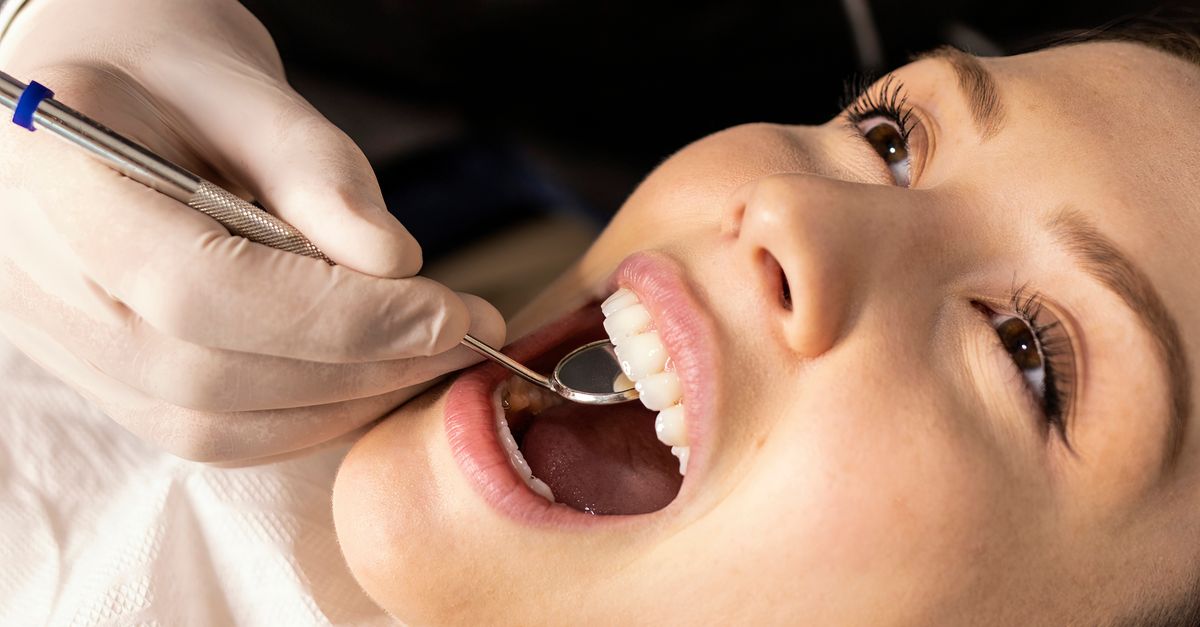
When you arrive at the dental clinic, expect to provide some basic information about your medical history and the nature of your dental emergency. Dentists prioritise patient comfort and will likely assess your situation before determining the appropriate course of action. Be prepared for a series of questions and possibly an examination to accurately diagnose the issue at hand.
Once the dentist identifies the problem, you may undergo various procedures, depending on the urgency and severity of your condition. Treatments can range from temporary fillings to more complex extractions. The dental team will keep you informed about each step, ensuring you understand what is happening and what to expect in the process.
Typical Procedures in Emergency Dental Care
When you arrive at an emergency dental appointment, the dentist will first conduct a thorough examination to assess your condition. Common issues that may necessitate immediate care include severe toothaches, fractures, or infections. Depending on the findings, the dentist may perform a range of procedures, such as drainage of abscesses, filling cavities, or even tooth extractions.
In cases of trauma, the dentist might need to realign or stabilise fractured teeth. If a root canal is necessary, they will begin the treatment to alleviate pain and prevent further complications. Each procedure targets the immediate need while ensuring your oral health is protected in the long term, allowing for a tailored approach to emergencies.
Following Post-Appointment Care Instructions
After your emergency dental visit, adhering to the aftercare instructions provided by your dentist is crucial for a swift recovery. These guidelines may include recommendations on pain management, dietary restrictions, and oral hygiene practices. Taking over-the-counter pain relief should be done as directed, and it's advisable to avoid hard or crunchy foods that might aggravate the treated area.
Keeping the surgical site clean is essential to prevent infection. Gently rinsing with warm salt water can help maintain oral hygiene, but be careful not to disturb any stitches or healing tissues. If any unusual symptoms arise, such as excessive swelling or bleeding, contacting your dentist promptly is imperative. Regular follow-ups may also be necessary to ensure proper healing and address any ongoing issues.
Essential Aftercare Tips
After your emergency dental appointment, adhering to the aftercare instructions given by your dentist is crucial for a smooth recovery. This often involves resting for a few hours to allow your body to heal without overexertion. Keeping your head elevated can help minimise swelling, especially if any surgical procedures were performed.
Maintaining proper oral hygiene is essential even during recovery. Gentle brushing and avoiding certain foods can contribute to healing. Make sure to follow any dietary restrictions provided by your dentist. If pain or swelling persists beyond a few days, do not hesitate to contact your dental provider for further guidance.
FAQS
What should I do if I experience a dental emergency?
If you experience a dental emergency, it's important to stay calm and contact your dentist immediately. If it's outside of regular office hours, look for an emergency dental clinic that can assist you.
How can I arrange transportation for my emergency dental appointment?
You can arrange transportation by asking a friend or family member for a ride, using public transport, or booking a taxi or rideshare service. Make sure to consider your comfort and pain level when choosing your mode of transport.
What types of procedures can I expect during an emergency dental visit?
During an emergency dental visit, you may undergo procedures such as tooth extraction, root canal treatment, or repair of a chipped or fractured tooth. Your dentist will assess your situation and determine the appropriate treatment.
Are there any specific aftercare tips I should follow after my appointment?
Yes, after your appointment, it's essential to follow your dentist's aftercare instructions. This may include taking prescribed medications, avoiding certain foods, and maintaining good oral hygiene to promote healing.
How can I prepare for potential costs associated with my emergency dental appointment?
It's a good idea to check with your dental insurance provider to understand your coverage for emergency procedures. Additionally, ask your dentist about payment options and any financing plans available to help manage costs.
Related Links
The Impact of Delaying Treatment on Toothache ConditionsThe Role of Dental X-Rays in Toothache Diagnosis
Essential First Aid Tips for Sudden Tooth Pain
Identifying Toothache Symptoms That Require Urgent Attention
Effective Over-the-Counter Pain Relief for Toothaches
When to Seek Emergency Dental Care for Toothaches