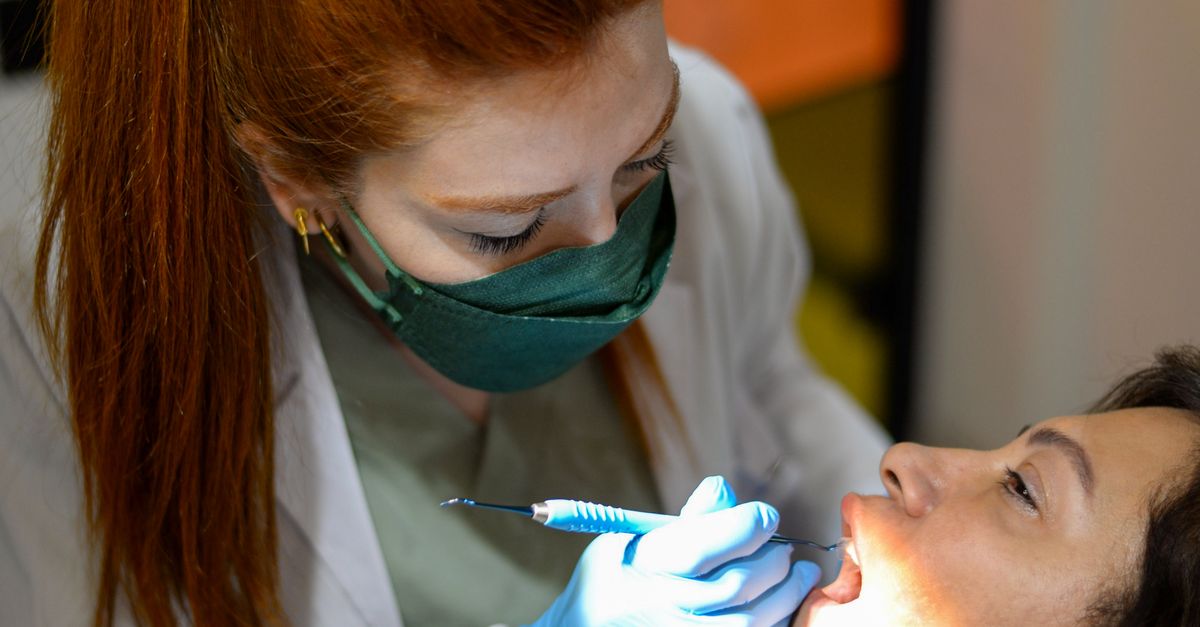
The Importance of Emergency Services for After-Hours Dental Needs
Table Of Contents
Costs Associated with Emergency Dental Care
The financial aspect of emergency dental care can vary significantly based on the nature and complexity of the issue. Basic procedures, such as a simple tooth extraction, might be less costly compared to more complicated treatments like root canals or surgical interventions. Patients should also consider that many dental clinics charge a premium for after-hours services, which can contribute to higher overall expenses.
Insurance coverage plays a crucial role in determining out-of-pocket costs for emergency dental visits. Some policies may cover a portion of the treatment, while others may have limited coverage for emergency services. It is essential for patients to be aware of their coverage and any potential co-pays involved, as this can help in better financial planning when unexpected dental issues arise.
What to Expect for Fees and Billing
When it comes to after-hours dental services, it is important to understand the potential financial implications. Fees can vary significantly based on the nature of the emergency and the specific dental practice. Many clinics charge a flat after-hours fee in addition to standard treatment costs, which can make the total expense much higher than a regular visit. Patients should be prepared for these additional charges and can often ask for a breakdown of costs prior to receiving treatment.
Billing processes for emergency dental services may differ from regular dental visits. Some practices require full payment at the time of service, while others may allow for insurance claims to be processed later. Patients should check in advance whether their health funds cover after-hours services, as policies can differ widely. It is advisable to keep all invoices and receipts for reference, especially if making an insurance claim later on.
Preventative Measures for Dental Emergencies
Maintaining a routine dental care schedule can significantly reduce the likelihood of emergencies. Regular check-ups allow dentists to identify potential issues before they escalate into serious problems. Furthermore, adopting good oral hygiene practices at home, including brushing twice a day and flossing daily, can help prevent the development of cavities and gum disease, which are common reasons for urgent dental visits.
Understanding your dental health is crucial for prevention. It is important to be aware of any existing conditions and to manage them appropriately. Wearing mouthguards during sports or other high-risk activities can protect your teeth from injury. Additionally, being mindful of what you eat and avoiding overly hard or sticky foods can help preserve dental integrity and reduce the risk of damage that may necessitate after-hours treatment.
Tips for Avoiding After-Hours Visits
Regular dental check-ups play a crucial role in preventing emergencies. By scheduling biannual visits, patients can catch potential problems like cavities or gum disease early. Dentists provide professional cleanings and thorough examinations that often identify issues before they escalate. Maintaining a consistent oral hygiene routine at home, including brushing twice daily and flossing regularly, also significantly reduces the risk of unexpected dental issues.
Being mindful of dietary choices can further decrease the likelihood of after-hours visits. Limiting sugary snacks and beverages helps prevent cavities, while avoiding hard foods can protect against damage to teeth. Additionally, using protective gear during sports can mitigate the risk of dental injuries. Implementing these simple habits can contribute to overall oral health and decrease the chances of needing urgent dental care outside regular hours.
Myths About After-Hours Dental Services
Many people believe that after-hours dental services are only for extreme emergencies, such as severe pain or trauma. This is a misconception that can lead individuals to delay necessary treatment. Even minor issues like persistent toothaches or broken fillings can escalate without timely intervention. Ignoring these problems can result in more significant complications that require more extensive and expensive treatments later on.
Another common myth is that after-hours services are prohibitively expensive. While it is true that fees can be higher than standard hours, many clinics offer transparent pricing and payment plans. Some practices even provide emergency services without exorbitant charges. Awareness of available services can ease concerns about costs, making it easier for patients to seek help when needed.
Debunking Common Misconceptions
Many people believe that after-hours dental services are only for extreme emergencies, such as a knocked-out tooth or severe pain. While these situations certainly warrant immediate attention, many dental issues can escalate if not addressed promptly. Even minor concerns like a loose filling or persistent sensitivity can benefit from professional evaluation outside of regular office hours. Dentists offer after-hours services to ensure that patients receive timely care, preventing complications that could arise from neglecting dental issues.
Another common myth is that all after-hours dental care is prohibitively expensive. Many patients assume that visiting a dentist outside regular hours will come with exorbitant fees. In reality, costs vary widely depending on the facility and the specific treatment required. Often, after-hours dental services are priced competitively, especially when considering the potential costs of emergency hospital visits or prolonged pain management. Understanding this can help patients feel more comfortable seeking the care they need without the fear of excessive charges.
FAQS
What types of dental emergencies require after-hours services?
Common dental emergencies that may require after-hours services include severe toothaches, broken or knocked-out teeth, abscesses, and trauma to the mouth or jaw.
How can I find an emergency dental service near me?
You can search online for emergency dental services in your area, check with your regular dentist for after-hours options, or use local dental associations to find qualified professionals.
Are after-hours dental services more expensive than regular services?
Yes, after-hours dental services typically have higher fees due to the convenience factor and the additional costs associated with operating outside of regular business hours.
What preventative measures can I take to avoid dental emergencies?
Practising good oral hygiene, visiting your dentist regularly for check-ups, avoiding hard foods, and wearing a mouthguard during contact sports can help prevent dental emergencies.
Are there any myths about after-hours dental services that I should be aware of?
Yes, some common myths include the belief that all dental emergencies can wait until regular hours, or that after-hours services are always excessively costly. In reality, prompt care can prevent further complications and costs in the long run.
Related Links
Top Reasons to Seek After-Hours Dental CareHow to Access After-Hours Dental Care in Broadmeadows
After-Hours Dental Care for Patients with Special Needs
Real-Life Scenarios That Require After-Hours Dental Attention
After-Hours Dental Clinics: Availability and Services in Broadmeadows
Tips for Managing Dental Pain Until After-Hours Care
Finding the Right Dentist for After-Hours Emergencies
What to Expect During After-Hours Dental Visits
After-Hours Dental Care: Frequently Asked Questions