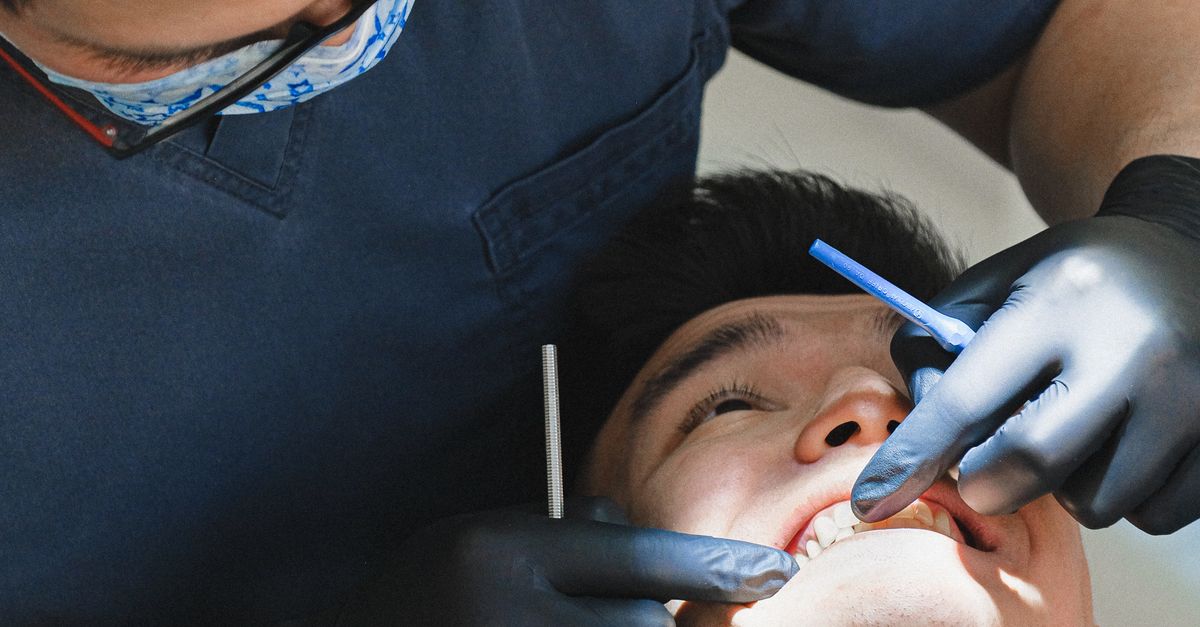
Real-Life Scenarios That Require After-Hours Dental Attention
Table Of Contents
Dental Abscesses
An accumulation of pus within the teeth or gums often indicates an infection. This condition can lead to significant pain and swelling, which may worsen without proper care. Other symptoms may include fever or a bad taste in the mouth. Recognising these signs early is crucial.
Prompt treatment is essential to prevent further complications, such as spreading of the infection. Immediate dental attention is necessary if an abscess is suspected. A qualified professional can provide appropriate care to alleviate pain and address the underlying issues contributing to the infection.
Recognizing the Signs and Seeking Help
Dental abscesses often manifest through various symptoms that can escalate quickly if left untreated. Pain, typically sharp and throbbing, can be accompanied by swelling in the gum area. Discomfort may worsen when chewing or applying pressure. Fever and a bad taste in the mouth can also indicate an underlying infection. Identifying these signs early is crucial to prevent complications that may require more extensive treatment.
Seeking help promptly is essential when experiencing these symptoms. Delaying professional assistance can result in the infection spreading to other areas, possibly leading to systemic health issues. If pain persists or swelling increases, it is important to contact a dental professional or visit an emergency dental clinic without hesitation. Addressing these issues swiftly can often lead to more accessible and less invasive treatment options.
Lost Fillings or Crowns
Experiencing a lost filling or crown can be both alarming and uncomfortable. The exposed tooth may become sensitive to temperature changes or pressure, leading to increased pain. This situation often arises from decay, wear and tear, or trauma, necessitating prompt attention to prevent further complications.
In the interim, individuals can take some steps to manage the discomfort. Rinsing with warm saltwater can help reduce inflammation. Over-the-counter pain relief medication may alleviate discomfort as well. While temporary measures can provide short-term relief, seeking professional dental care as soon as possible is crucial to restore the tooth and prevent damage.
Temporary Solutions Before Professional Care
A lost filling or crown can lead to discomfort and increased sensitivity. In the initial moment of realising a filling or crown is missing, one effective temporary solution is to use dental cement, which is available at most pharmacies. This product can help to fill the gap and protect the tooth until you can see a dentist. Make sure to follow the instructions carefully for the best results.
Another option available is using dental wax, particularly if the crown or filling has gone entirely missing. This soft moldable wax can create a barrier to shield the exposed tooth from irritation or discomfort. It's essential to avoid hard, crunchy foods that might aggravate the area further. These temporary fixes provide some relief but are not substitutes for professional dental care.
Bleeding Gums
Gums that bleed during brushing or flossing can indicate underlying issues that require immediate attention. Common causes may include gingivitis, periodontal disease, or more severe conditions. If the bleeding persists for more than a few days or is accompanied by swelling, pain, or a foul taste in the mouth, it is essential to seek professional dental advice as soon as possible. Ignoring these symptoms can lead to more significant dental health problems, including tooth loss or the need for extensive treatments.
In some instances, home remedies may provide temporary relief, such as rinsing with warm salt water or using an antiseptic mouthwash. However, these measures do not replace the need for dental intervention. Ongoing bleeding can signify that bacteria are invading the gum tissue. Early diagnosis and tailored treatment plans can help prevent complications and restore gum health effectively.
When to Seek Urgent Dental Attention
Bleeding gums can signal various underlying issues, from minor irritations to more severe conditions like gum disease. If you notice significant bleeding while brushing, flossing, or even spontaneously, it is crucial to assess the situation promptly. Gum bleeding combined with symptoms such as persistent pain, swelling, or foul breath should never be overlooked. These signs may indicate an infection or other complications requiring urgent care.
In instances where the bleeding does not subside after ten minutes of applying gentle pressure, seeking immediate dental attention becomes essential. Rapid intervention can prevent the condition from worsening and help safeguard against potential tooth loss or the development of severe systemic issues. Understanding the urgency of dental health ensures that one receives appropriate care when faced with alarming symptoms.
FAQS
What is a dental abscess and why is it urgent?
A dental abscess is a pocket of pus caused by a bacterial infection in the teeth or gums. It requires urgent attention because it can lead to serious complications, including the spread of infection to other parts of the body.
How can I recognize the signs of a dental abscess?
Signs of a dental abscess include severe toothache, swelling in the gums or face, a bitter taste in the mouth, fever, and difficulty swallowing or breathing. If you experience these symptoms, seek dental help immediately.
What should I do if I lose a filling or crown?
If you lose a filling or crown, try to keep the area clean and avoid using that side of your mouth. You can use dental wax or temporary dental cement as a short-term solution until you can see a dentist.
Are bleeding gums always a sign of an emergency?
Not always, but if your gums are bleeding regularly, especially after brushing or flossing, it may indicate gum disease. If the bleeding is excessive or accompanied by pain and swelling, you should seek urgent dental attention.
What are some temporary solutions for dental emergencies before I can see a dentist?
For dental emergencies, you can rinse your mouth with warm salt water, apply a cold compress to reduce swelling, take over-the-counter pain relief, and use dental wax for lost crowns or fillings. However, these are only temporary measures until you receive professional care.
Related Links
After-Hours Dental Care for Patients with Special NeedsAfter-Hours Dental Clinics: Availability and Services in Broadmeadows
Tips for Managing Dental Pain Until After-Hours Care
Finding the Right Dentist for After-Hours Emergencies
What to Expect During After-Hours Dental Visits
After-Hours Dental Care: Frequently Asked Questions