How Restorative Dentistry Can Improve Your Quality of Life
Table Of Contents
Improving Aesthetics with Restorative Options
Restorative dentistry offers a variety of solutions that can significantly enhance the aesthetics of your smile. Treatments such as dental crowns, veneers, and bonding can effectively address issues like discolouration, chips, and gaps between teeth. By using tooth-coloured materials, these procedures blend seamlessly with the natural appearance of your teeth, providing a more cohesive and attractive smile. Customisation options ensure that every restoration complements one's unique dental structure, resulting in a personalised approach to enhancing oral aesthetics.
Patients often find that their newfound smile not only improves their physical appearance but also positively impacts their overall sense of self. A well-aligned and visually appealing set of teeth can reshape how individuals perceive themselves and how they feel when engaging with others. As people become more confident in their smiles, they may experience an increase in social interactions and professional opportunities. Through restorative dentistry, enhancing aesthetics becomes more than a superficial change; it transforms the way individuals engage with the world around them.
The Importance of a Beautiful Smile
A beautiful smile can significantly impact social interactions and overall self-esteem. Many people perceive a radiant smile as a reflection of health and vitality, influencing first impressions in both personal and professional settings. This perception leads to greater opportunities in various aspects of life, from forging new relationships to advancing careers. Investing in one’s smile through restorative dentistry not only enhances aesthetics but also cultivates a sense of pride and confidence.
Moreover, the psychological well-being linked to an appealing smile cannot be overstated. Individuals who feel confident about their smiles are more likely to engage socially and express themselves freely. An attractive smile can alleviate anxiety during social situations, encouraging individuals to step outside their comfort zones. Restorative options can help achieve this transformation, empowering people to showcase their best selves without hesitation.
How Restorative Dentistry Boosts Confidence
Restorative dentistry plays a vital role in enhancing self-esteem by addressing dental issues that may cause discomfort or embarrassment. Individuals with damaged, stained, or misaligned teeth often feel self-conscious when smiling or speaking, which can hinder social interactions and professional opportunities. By improving the appearance and functionality of teeth, restorative procedures allow individuals to regain confidence in their smiles, enabling them to engage more freely in various aspects of life.
The psychological benefits of a beautiful smile cannot be understated. When people feel proud of their teeth, they are more likely to smile often and engage more fully in social situations. This increase in positive interactions reinforces self-worth and can lead to improved mental well-being. Restorative dentistry not only repairs physical imperfections but also cultivates a sense of empowerment, enabling individuals to present their best selves to the world.
Psychological Benefits of a Healthy Smile
A healthy smile can significantly impact an individual’s mental and emotional well-being. When people feel good about their teeth, they are more likely to express themselves openly and engage in social situations. This confidence boost can lead to an improved self-image, reducing anxiety and enhancing social interactions. The connection between oral health and self-esteem is strong, as a bright smile often translates to greater feelings of happiness and contentment.
Furthermore, a beautiful smile can affect personal and professional relationships. Those who are confident in their dental appearance tend to interact more with others, fostering connections that might otherwise be stifled by insecurities. Positive social experiences can reinforce a person’s self-worth and create a cycle of affirmation, where a healthy smile contributes to increased positivity in various aspects of life. This ripple effect demonstrates how restorative dental procedures can lead to profound psychological benefits beyond merely improving aesthetics.
The Process of Getting Restorative Work Done
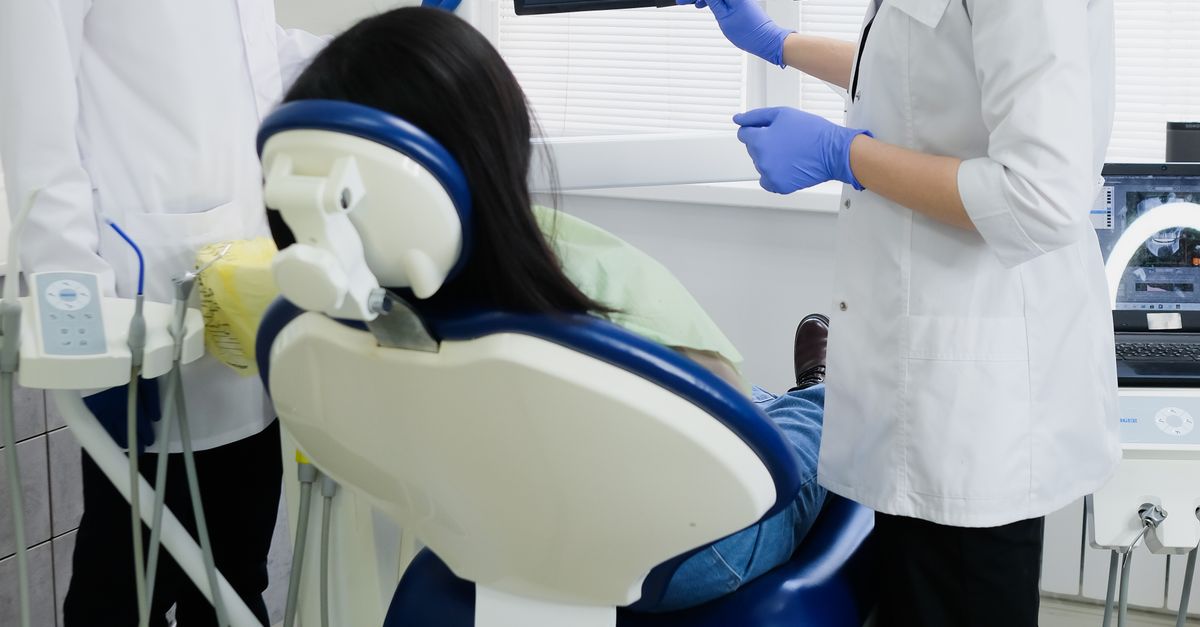
When you decide to undergo restorative dentistry, the first step typically involves a thorough examination by the dentist. This may include digital X-rays and 3D imaging to assess the condition of your teeth and surrounding structures. After discussing your concerns and goals, your dentist will create a tailored treatment plan, outlining recommended procedures and estimated timelines. Understanding the scope of treatment will help you make informed decisions moving forward.
Following the initial consultation, subsequent visits will focus on the restorative procedures outlined in your plan. This may involve the application of fillings, the placement of crowns, or even more complex treatments like dental implants. Each appointment generally begins with a detailed discussion of what will happen, ensuring you feel comfortable and informed throughout. Pain management options will also be addressed, allowing you to choose the most suitable approach for your comfort during each step of the process.
What to Expect During Dental Visits
During your dental visit, the dentist will review your medical history and discuss any concerns you may have. An examination of your teeth, gums, and mouth will be conducted. Depending on your needs, X-rays may be taken to get a clearer picture of your dental health. This initial evaluation sets the foundation for any restorative work that may be needed.
If restorative procedures are recommended, the dentist will explain the steps involved. Options such as fillings, crowns, or dentures will be discussed based on your specific situation. Most visits will include time for questions, so you can express any concerns and clarify any uncertainties about the process. This interaction ensures you feel comfortable and informed about the care you are receiving.
FAQS
What is restorative dentistry?
Restorative dentistry focuses on diagnosing and treating dental issues to restore the function and aesthetics of teeth. It includes procedures such as fillings, crowns, bridges, and dentures.
How can restorative dentistry improve my smile?
Restorative dentistry can enhance the aesthetics of your smile by repairing damaged teeth, filling gaps, and creating a more uniform appearance, ultimately leading to a brighter and more confident smile.
What are the psychological benefits of a healthy smile?
A healthy smile can significantly boost self-esteem and confidence, positively impacting social interactions and overall mental well-being. People often feel more comfortable and approachable when they are confident in their smile.
What should I expect during my restorative dental visits?
During your dental visits, you can expect a thorough examination, discussions about your treatment options, and the necessary procedures to restore your dental health. Your dentist will guide you through each step of the process.
How long does restorative dental work typically last?
The longevity of restorative dental work depends on various factors, including the type of treatment, your oral hygiene practices, and regular dental check-ups. Many restorative solutions can last several years with proper care.
Related Links
Restorative Dentistry Techniques for Treating Severe Tooth DecayExploring the Benefits of Inlays and Onlays in Tooth Restoration
The Process of Tooth Restoration: What to Expect at the Dentist
Common Myths About Restorative Dentistry Debunked
Choosing the Right Material for Your Dental Bridges
The Role of Fillings in Restorative Dentistry: Options and Benefits
Understanding Different Types of Dental Crowns in Restorative Care