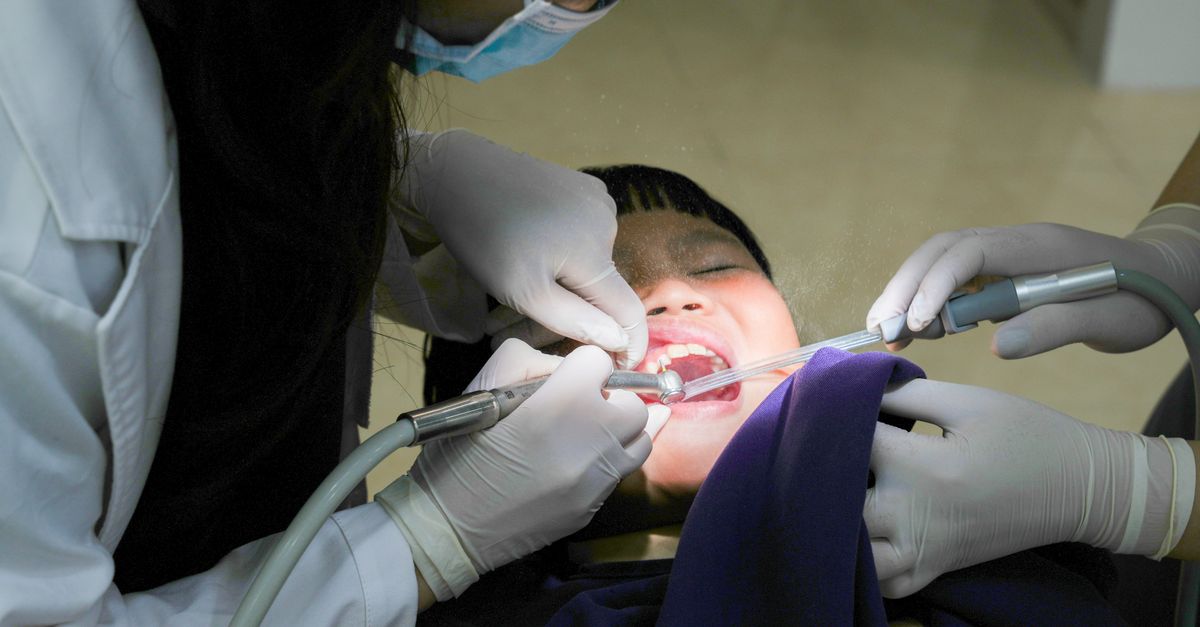
How Cosmetic Bonding Can Transform Your Teeth in One Visit
Table Of Contents
Longevity of Cosmetic Bonding
Cosmetic bonding offers a relatively durable solution for those seeking to enhance their smile. Typically, the lifespan of bonded teeth ranges from three to ten years, depending on various factors. The intricacies of individual oral hygiene practices, diet, and lifestyle choices play crucial roles in determining how long the bonding material remains intact. In cases where patients maintain good dental care routines and avoid harmful habits like nail-biting or teeth grinding, the longevity of cosmetic bonding can be maximised.
Regular check-ups with a dental professional can also help identify any issues early on, ensuring that any maintenance required is addressed promptly. Stressors such as grinding teeth or consuming stain-inducing foods may impact the appearance and durability of the bonds. Therefore, a proactive approach to oral health can significantly influence the lasting results of cosmetic bonding while enhancing overall dental aesthetics.
How Long Does It Last?
The lifespan of cosmetic bonding can vary based on several factors. Typically, bonded teeth can last anywhere from three to ten years with proper care. Factors such as oral hygiene practices, the location of the bonding, and individual habits like grinding teeth can influence longevity. Regular dental check-ups also play a crucial role in maintaining the integrity of the bonding.
While cosmetic bonding is a durable option, it is not as long-lasting as alternatives like veneers or crowns. However, bonding is often more cost-effective and can be easily repaired when necessary. Patients should be aware of the need for occasional touch-ups, especially if they notice wear or discolouration over time. Making informed choices based on one’s dental health and lifestyle can help maximise the lifespan of the cosmetic bonding.
Maintenance Tips for Cosmetic Bonding
To ensure the longevity of cosmetic bonding, it is essential to maintain a good oral hygiene routine. Regular brushing, ideally twice a day, helps prevent plaque build-up around the bonded areas. Using a non-abrasive toothpaste is crucial, as harsh whitening products can damage the resin material. Flossing daily also plays a vital role in keeping the bonded teeth and surrounding gums healthy, as it removes food particles and prevents decay.
Avoiding certain foods and habits can further enhance the durability of your bonded teeth. Steer clear of hard foods such as ice or hard candy, as they can chip the bonding. Smoking and excessive consumption of staining foods and drinks such as coffee, red wine, and berries can lead to discolouration over time. Regular dental check-ups will help monitor the condition of your cosmetic bonding, ensuring any necessary repairs can be addressed promptly.
Caring for Your Bonded Teeth
To maintain the appearance and functionality of your bonded teeth, regular oral hygiene practices are essential. Brush your teeth at least twice a day using a non-abrasive toothpaste. Floss daily to prevent plaque accumulation around the bonded areas. Consider using a soft-bristled toothbrush to avoid scratching the bonding material, ensuring that your smile stays vibrant and healthy.
Limit your consumption of staining foods and beverages, such as coffee, tea, and red wine. If you indulge in these, rinse your mouth with water immediately afterwards. Additionally, avoid biting hard objects or using your teeth as tools, as this can chip or damage the bonding. Regular dental check-ups will help monitor the condition of your bondings and address any issues promptly.
Comparing Cosmetic Bonding with Other Dental Treatments
Cosmetic bonding is often chosen for its quick application and aesthetic results. Unlike porcelain veneers and crowns, which require multiple dental visits, bonding can typically be completed in a single appointment. Its affordability also makes it an attractive option for those seeking improvements in their smiles without committing to the expenses associated with more extensive dental procedures.
When comparing cosmetic bonding to veneers and crowns, durability and appearance differ. Veneers are crafted from porcelain and tend to be more resistant to staining than composite resin used in bonding. Crowns provide a stronger solution for severely damaged teeth, but their placement may require more tooth reduction. In contrast, bonding is ideal for minor imperfections and can be completed without extensive alterations to the tooth structure.
Bonding vs. Veneers and Crowns
Cosmetic bonding is often compared to veneers and crowns due to the similarities in their aesthetic purposes. Bonding involves applying a tooth-coloured resin directly to the surface of the tooth, allowing for quick repairs, often completed in a single visit. In contrast, veneers and crowns usually require more extensive preparation, custom fabrication, and multiple appointments. While bonding can address minor imperfections and provide immediate results, veneers and crowns are often recommended for more significant issues like extensive discolouration, severe chipping, or misalignment.
Another key difference lies in their longevity and durability. Bonding typically lasts a few years with proper care, while veneers and crowns can remain intact for over a decade. However, the choice between these treatments often depends on personal preferences, the extent of dental issues, and budget considerations. Each option has its unique benefits, making it essential for individuals to consult with a dental professional to determine the most suitable treatment for their needs.
FAQS
What is cosmetic bonding?
Cosmetic bonding is a dental procedure that involves applying a tooth-coloured resin to repair, reshape, or enhance the appearance of teeth, often completed in a single visit.
How long does cosmetic bonding last?
The longevity of cosmetic bonding can vary, but typically it lasts between 3 to 10 years, depending on factors such as oral hygiene and lifestyle habits.
What are some maintenance tips for cosmetic bonding?
To maintain your bonded teeth, practice good oral hygiene by brushing and flossing regularly, avoid biting hard foods or objects, and visit your dentist for regular check-ups and cleanings.
How does cosmetic bonding compare to veneers and crowns?
Cosmetic bonding is generally less invasive and more affordable than veneers and crowns. While bonding can repair chips and gaps, veneers and crowns are often used for more extensive cosmetic changes or structural issues.
Can anyone get cosmetic bonding?
Most people are suitable candidates for cosmetic bonding, but it's essential to consult with a dentist to determine if it's the right option for your specific dental needs and goals.
Related Links
The Cost of Cosmetic Bonding in Broadmeadows: Is It Worth It?The Process of Cosmetic Bonding: What to Expect at Your Dentist
Cosmetic Bonding for Chipped Teeth: A Quick Fix
Addressing Common Myths About Cosmetic Bonding
Caring for Your Bonded Teeth: Tips for Long-lasting Results
Comparing Cosmetic Bonding and Veneers: Which is Right for You?